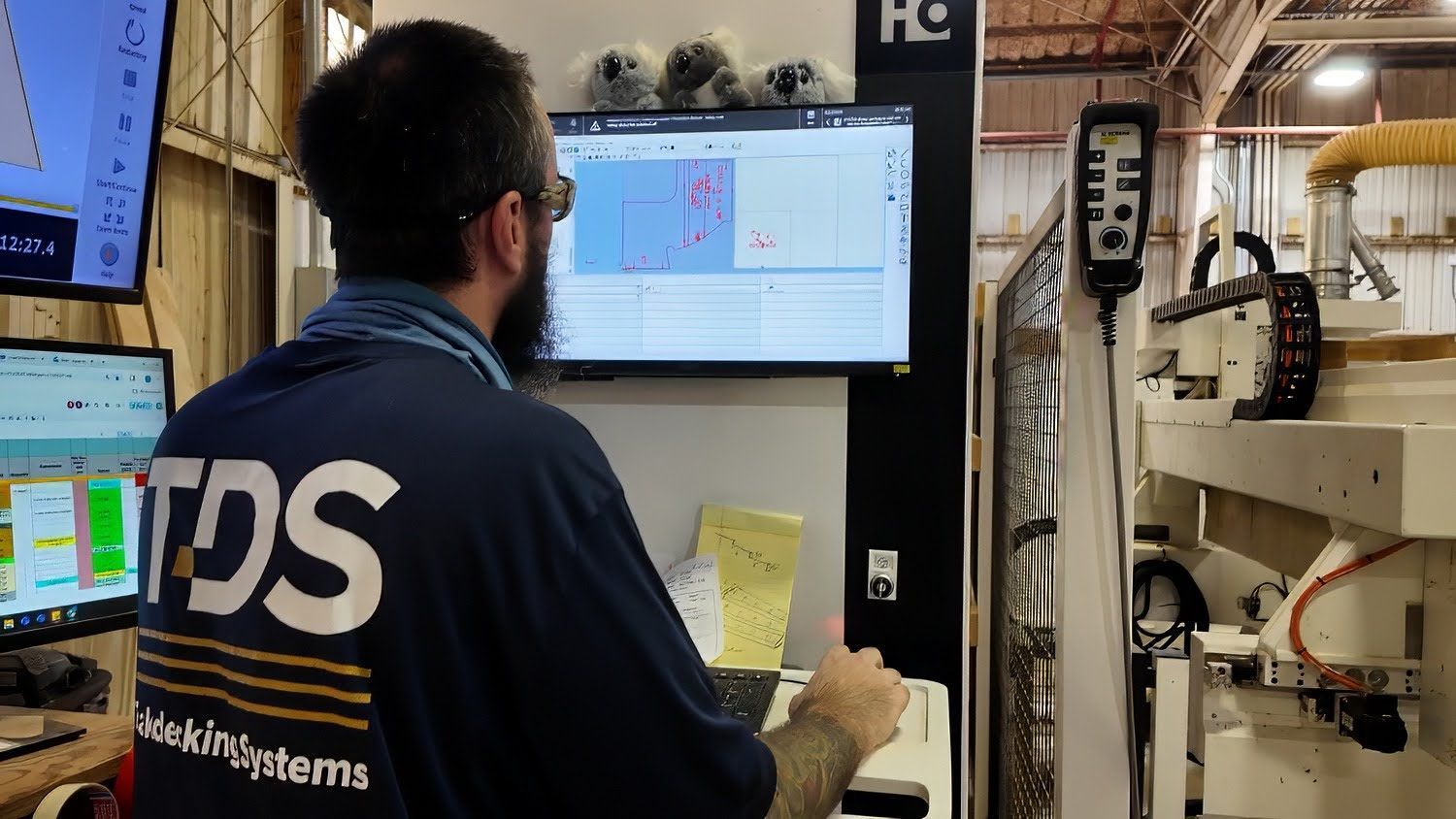

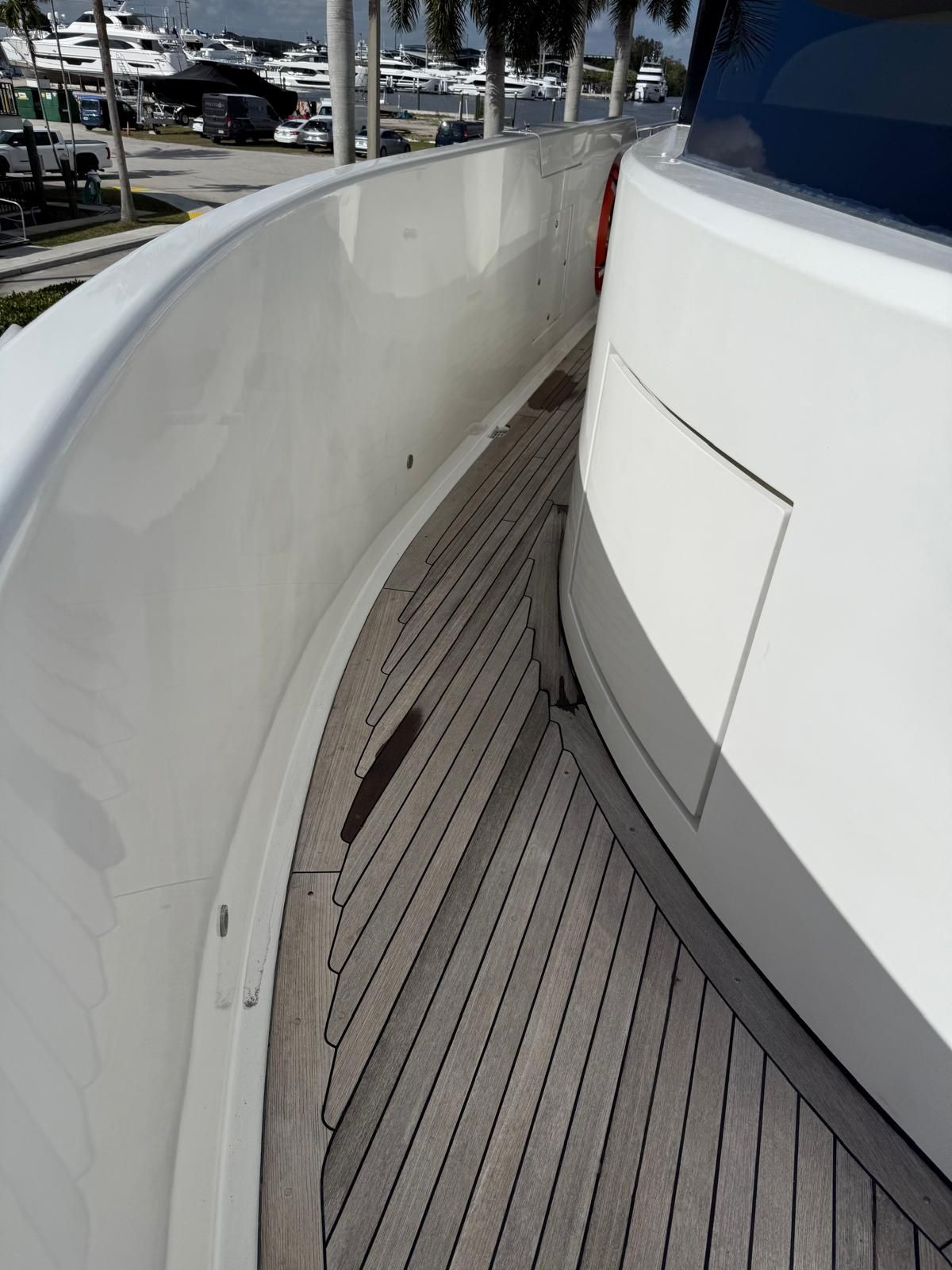
Why We Are Proud of This 15-Year-Old Deck

At first glance, this teak deck lookS OLD AND WORN OUT

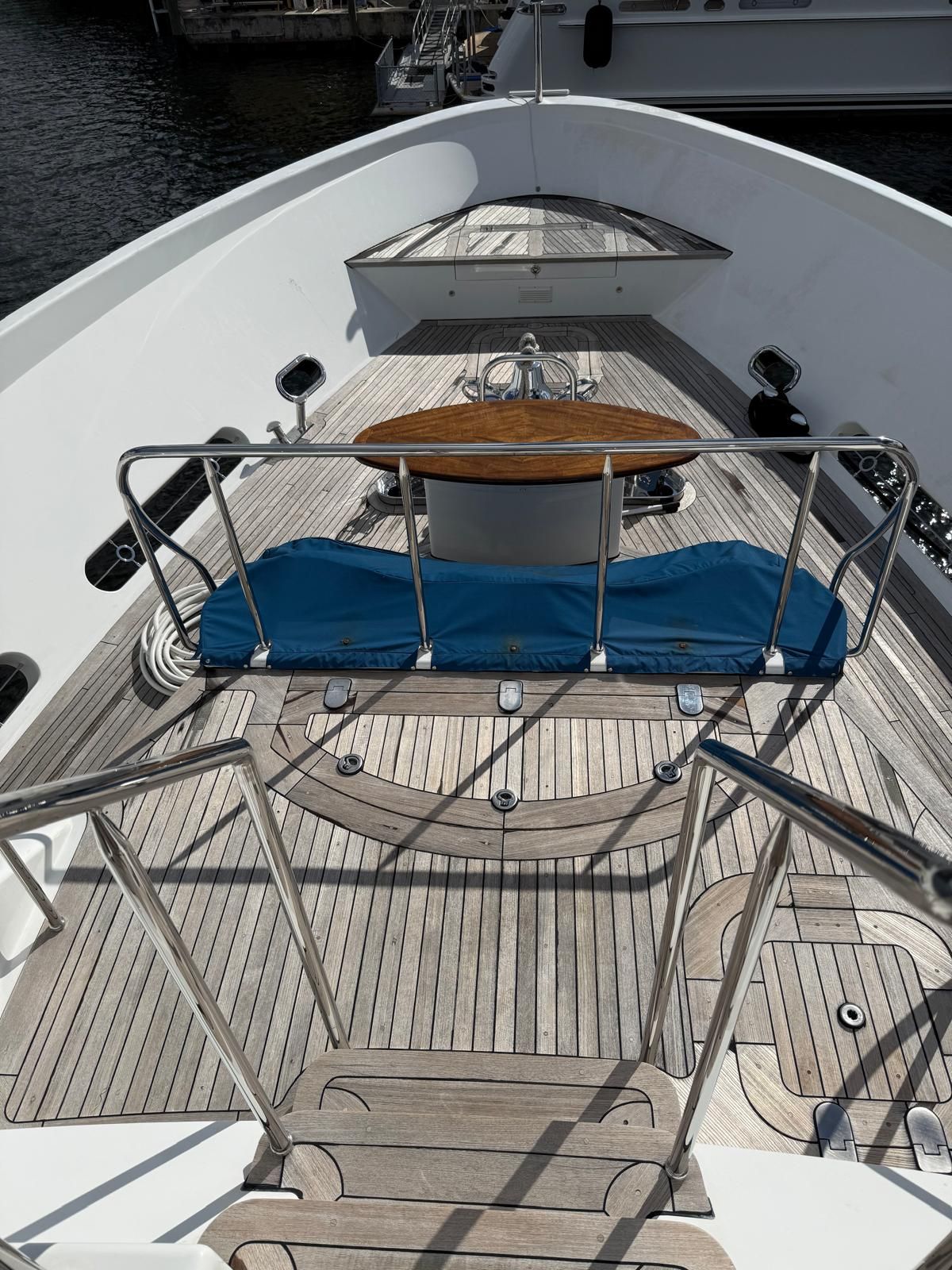
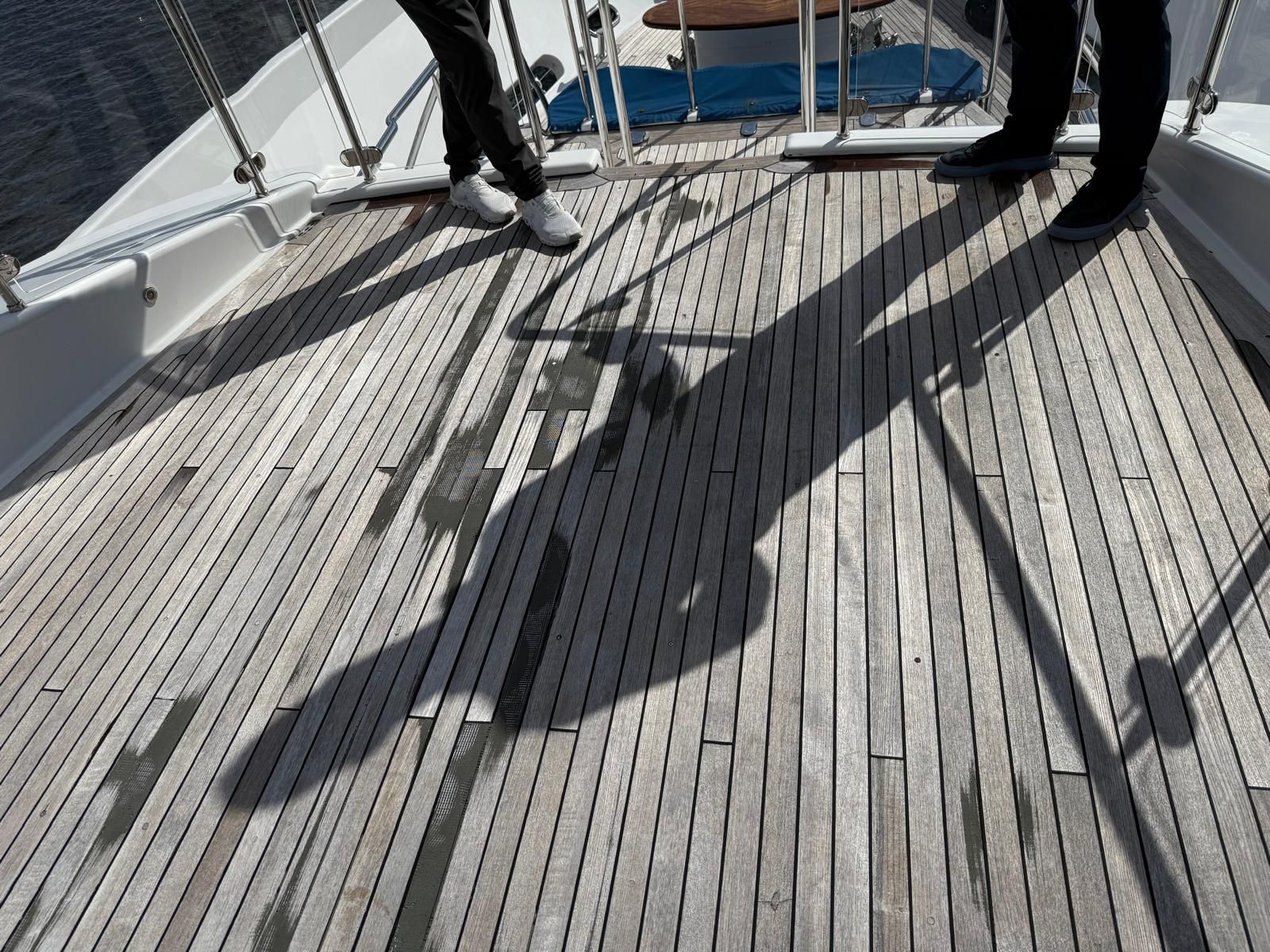
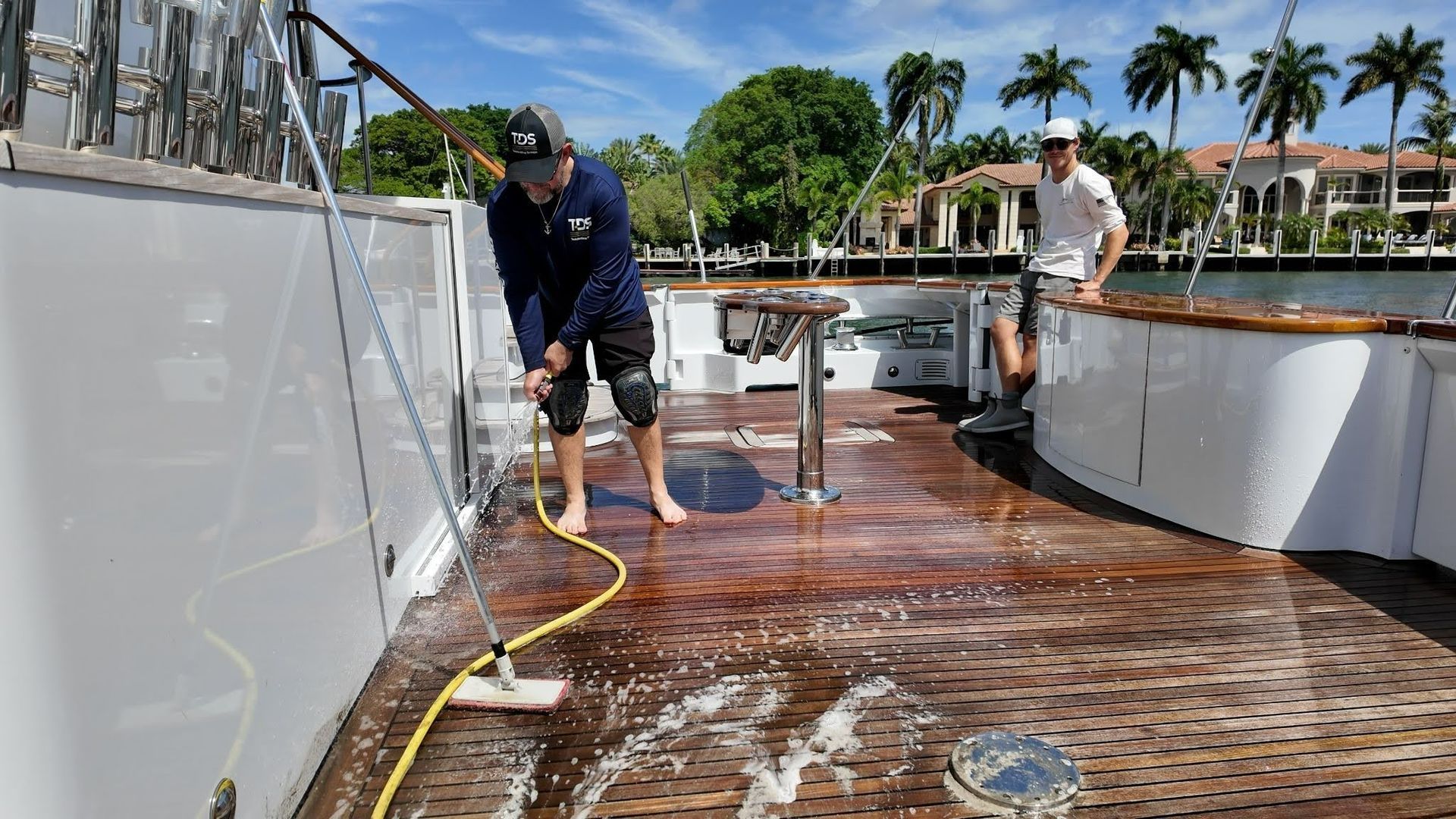
Even a quick glance, this teak deck looks worn out. And you would be right.  The surface has weathered, the teak has aged naturally, and the marks of time are clearly visible across the planks. Some people might look at a deck like this and wonder why anyone would proudly showcase it. For Teakdecking Systems, however, this deck represents something far more important than appearance. It represents long-term performance.


Fifteen years ago, this 14mm teak deck was installed on a new vessel. Since that time, it has endured continuous exposure to the sun, saltwater, heavy foot traffic, regular washdowns, and the daily stresses of life on the water. Despite those conditions, the deck remains intact and continues to protect the structure beneath it. That reliability is exactly why this deck is something worth highlighting.
Long-Term Deck Performance Begins with Proper Installation

A teak deck that lasts decades does not happen by accident. Long-term durability depends on installation practices that are often invisible once the deck is finished. One of the most important elements is seam construction. Proper seam preparation and caulking allow the deck to remain watertight while accommodating the natural expansion and contraction of teak due to temperature changes and moisture exposure.

When seams are constructed correctly, they protect the subdeck and maintain the structural integrity of the entire deck system. Owners who want to better understand how plank grading, grain orientation, and milling standards affect deck performance can learn more in the Teakdecking Systems guide to Checking Teak Decking Quality


What Happens Beneath the Deck Is Just as Important


While seam construction plays a critical role, another major factor in deck longevity lies beneath the teak itself. During the installation of this deck, epoxy was applied to the back of the teak panels during the laying process. This technique creates a strong bond between the teak and the subdeck.


A properly bonded deck prevents unwanted movement, eliminates voids beneath the planks, and ensures the deck remains securely attached to the vessel over time. These steps are not visible once the deck is finished, but they are precisely the details that allow a deck to perform reliably for many years.


Thickness Alone Does Not Determine Deck Life


In many discussions about yacht decks, thickness is often treated as the primary indicator of durability. Thickness alone does not guarantee a longer-lasting deck. Teakdecking Systems regularly encounters vessels that are only five years old with 22mm teak decks already showing significant failure.


In many cases, the cause is not the teak itself but the quality of installation. Poor seam construction, inadequate bonding, or shortcuts during installation can lead to premature failure. Seams begin to open, planks loosen, and moisture can penetrate beneath the deck surface. When that happens, the deck may require major repairs far sooner than expected.


Simply installing thicker teak does not compensate for poor craftsmanship. Owners considering a deck refit or replacement can learn more about the full construction process in the Teakdecking Systems article https://www.teakdecking.com/steps-to-adding-or-replacing-a-teak-deck.


A Deck That Demonstrates Real Craftsmanship


That is why this 14mm teak deck is something Teakdecking Systems is proud to showcase. After fifteen years of service, the seams are still functioning properly, the bond between the teak and the subdeck remains strong, and the deck continues to protect the vessel beneath it.

In the marine industry, craftsmanship is not measured only by how a deck looks when a vessel leaves the yard. True craftsmanship is measured by how well that deck performs years later. This deck demonstrates that when teak decking is designed and installed correctly from the beginning, it can provide long-term reliability even in demanding marine environments.


For additional insights into teak decking materials, construction methods, and marine decking alternatives, Teakdecking Systems also provides educational resources, such as Teak Decking or Composite Decking, which explains how natural teak compares with modern composite decking solutions.


If you would like more information about teak decking materials, installation services, or maintenance products, Teakdecking Systems can help guide you through the process. For customers in the United States and other global regions, contact +1 941 756 4002 or customerservice@teakdecking.com. For customers located in Europe, contact +31 10 437 9230 or europe@teakdecking.com. Learn more at https://www.teakdecking.com

ALL PRODUCTS

March 10, 2026
Expert yacht deck installation workflow for complex refits. Precision planning, protection, and reliable deck replacement worldwide by TDS.
February 24, 2026
For that reason, you want to start by discussing the project with the service manager at the yard that normally services the boat. In that discussion, you will want to learn the following: Is there a shed or watertight tent large enough to enclose the project, or is there another solution for preventing the weather from causing damage or delay? If the boat is hauled, can it be staged with scaffolding for safety, if necessary? Does the yard have qualified personnel to perform the necessary tasks? These include: Properly protecting the boat's surfaces from damage during the refit. Removing any deck hardware that is in the way, this may require taking down headliners or removing interior trim to access the fasteners. If a replacement teak deck is required, can and how will they remove the existing teak without damaging the rest of the vessel, including the structural deck beneath the current teak deck? After removing the existing teak, are they qualified to inspect and make any necessary repairs to the structural deck? On fiberglass boats, damage may appear as soft spots due to compromised structural core material. In some cases, on metal vessels, it may be necessary to replace damaged sections of plating. Do they have marine carpentry skills to properly final fit and install the new modular teak deck system? With the new deck installed, do they know how to reinstall the deck hardware properly and, if a sailboat, install and tune the rig? Are they capable of re-commissioning the vessel and any systems disabled during the refit? What is the proposed schedule and timeline for the refit? What is the estimated budgetary cost, and which of these costs can be assured? If the yard is not a suitable fit for the project, can they recommend an alternative solution?
MPS 4000 product on deck
July 31, 2025
Get answers to common questions about MPS 4000, including cleaning tips, cure time, clamping advice, compatibility with SIS 440, and best-use practices.
ALL ARTICLES